- Create a tattoo for someone you know
- Draw something that should have been invented by now.
Learning Objective - You will develop a deeper understanding of what Non-Objective and Objective art is through observing and developing your own process, while creating your own Objective and Non Object paintings.
Language Objective - Review the following Vocabulary words and try to see the vocabulary in your thumbnail choices and final painting.
- Use a sheet of paper to experiment with watercolor.
- Take a piece of paper and fold it in fours, (in 1/2 both directions).
- Square #1 - Make marks with the watercolor paint without touching the brush to the paper.
- Square #2 - Make a small painting that is Nonobjective while using the brush, (don't make anything recognizable).
- Square #3 - You may make something recognizable without touching the paper with the brush.
- Square #4 - No rules, paint using the brush painting something Objective or Nonobjective.
- Watercolor Techniques revisited
- Take out your Objective Sumi Painting final to work on - Due Monday, March 20th
- Include a background and foreground
- Equal amounts of positive and negative space
- Optional - Include a watercolor background
- Add the the unfinished Collaborative Sumi Paintings.

Wet on Wet- Painting with a wet brush on wet paper.
Take a thick brush and paint clean water evenly across your paper. The paper should become wet but not drippy…no puddles. Paint pigment on the surface evenly.
- Irregular wash- Brush on clean water first. Drip dark pigment on top. Pick up paper and move it around and see what happens.
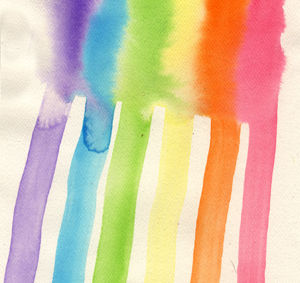
Wet on Dry- This means you work with a wet brush on dry paper. This technique is well-suited for the painting areas that require greater control and more saturated colors as in the foreground of a landscape.
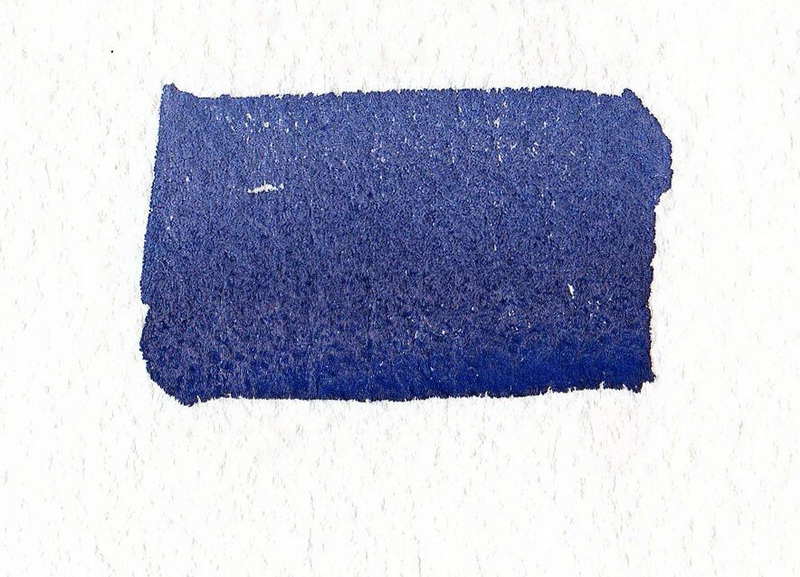
- Flat Wash- Wet wash brush with paint on dry paper.
- Graded Wash- Mix darker hue make a pass at the tip, clean brush and make another pass using clean water.
Watercolor Texture Techniques

Lifting Wet Watercolor - When watercolor is still wet on the paper, it is easy to blot and lift. If it is so wet that it is still shiny, you will possibly lift all the color. If it has lost its shine, the swipe of a brush will lift the color. If the brush is too wet, you will create a Back Wash and cause a “bloom”.

Salt Texture Watercolor Techniques - A small sprinkle of salt can be applied when the watercolor and paper is wet, but must stay on the surface until the paint is dry. Clean the salt off after the painting dries!!!